Uganda Standard Permit
The one-hour standard permit, from $800 per person.
VIEW DETAILS ↗
RWANDA GORILLA EXPERIENCES
Standard Permit — $1,500 Exclusive Experience — $15,000 Behind the Scene Package Photography & Film PermitsUGANDA GORILLA EXPERIENCES
Gorilla Habituation Experience Uganda Gorilla Permit — $800 View All ExperiencesRWANDA
Volcanoes National Park Nyungwe National Park Akagera National Park Gishwati-Mukura National ParkUGANDA
Bwindi Impenetrable National Park Mgahinga Gorilla National Park Murchison Falls National Park View All National ParksRWANDA LODGES
Singita Kwitonda Lodge One&Only Gorilla’s Nest Bisate Lodge One&Only Nyungwe House Magashi CampUGANDA LODGES
Clouds Mountain Gorilla Lodge Sanctuary Gorilla Forest Camp Kyambura Gorge Lodge View All LodgesSAMPLE ITINERARIES
Rwanda 3-Day Gorilla Itinerary Rwanda 7-Day Luxury Circuit Rwanda Honeymoon: Gorillas & Lake Kivu 14-Day Ultra-Luxury Double Gorilla Trek 23-Day Grand Primate Safari View All ItinerariesThe Gorilla Habituation Experience is Uganda’s signature private permit product, offered only in Rushaga sector of Bwindi Impenetrable National Park. Instead of the standard one-hour visit to a fully habituated family, you spend up to four hours with a family still partway through the habituation process — observing alongside the researchers and trackers who work with them daily, rather than simply visiting for a scheduled hour.
Group size is capped at four guests rather than eight, and only two small habituation groups go out each day, so around eight visitors in total — making this both the most exclusive and the most limited gorilla product either country offers. Because so few permits exist, we recommend booking at least 6–9 months ahead for any fixed travel window.
WHY HABITUATION
Habituation is the years-long process of accustoming a wild gorilla family to human presence, done gradually and carefully by UWA rangers and researchers before a family is ever opened to standard tourism. Joining a habituation session means observing that process directly — watching how trackers read the family’s behaviour, learning individual gorillas by name and personality, and spending four unhurried hours rather than a single scheduled one. It suits repeat gorilla trekkers, photographers wanting more time and more natural behaviour, and anyone who wants the research side of conservation made visible rather than abstract.
A TYPICAL DAY
Guests check in at Rushaga sector headquarters at 08h00, alongside standard trekking groups but assigned separately to one of the two daily habituation groups. Because semi-habituated families are typically found closer to their usual range, the walk in is often shorter than a standard trek — but once found, you stay for up to four hours rather than one, observing the trackers’ interaction with the family as much as the gorillas themselves. It’s a longer, more physically demanding day overall given the extended time in the forest.
THE PROCESS
Turning a wild gorilla family into one that tolerates close, quiet human observation takes roughly two to three years of daily, deliberate contact by the same small team of UWA rangers and researchers — increasing exposure gradually, reading the family’s stress signals, and retreating whenever the gorillas show discomfort rather than pushing the process on a fixed timeline. A family is only opened for tourism, whether as a habituation-experience family or later as a fully habituated standard-trekking family, once that team judges the gorillas genuinely settled around people. Joining a habituation session means observing this specific, ongoing relationship rather than a finished product — the trackers are often still learning the family’s individual personalities in real time, and you are watching that unfold alongside them.
Uganda’s Standard Gorilla Trekking Permit costs $800 and delivers one hour with a fully habituated family in a group of up to eight. The Habituation Experience costs $1,500–$1,800 and delivers up to four hours with a semi-habituated family in a group of up to four — roughly four times the contact time, in a group half the size, at close to double the price. For most first-time trekkers, the standard permit is the right choice. The Habituation Experience is built specifically for guests who have trekked before, or who want considerably more time observing behaviour than a single hour allows.
Because the day involves up to four hours with the family on top of the walk in and out, it is meaningfully more demanding than a standard trek — expect a longer overall day in the forest, on the same steep, often muddy Bwindi terrain. A reasonable baseline of fitness matters more here than for the one-hour standard visit.
THE FAMILIES
The experience runs with gorilla families in the Rushaga sector that are partway through habituation. In recent years these have been the Bikingi and Bushaho groups, each visited by one small group a day, so roughly eight visitors in total can join a habituation session on any given day. Families do not stay in the programme forever: once the research team judges a family fully settled, it moves into standard trekking and a new family begins habituation. UWA assigns the family on the morning of your visit, so the name on your day may differ.
Because these gorillas are less used to people than standard trekking families, the trackers follow their signals closely, and sessions can be shortened if the family shows stress. That unpredictability is part of what makes the day feel like fieldwork rather than a visit.
SIDE BY SIDE
| HABITUATION (UGANDA) | STANDARD TREK (UGANDA) | EXCLUSIVE (RWANDA) | |
|---|---|---|---|
| Time with gorillas | Up to 4 hours | 1 hour | 1 hour |
| Group size | Up to 4 visitors | Up to 8 visitors | Your party only, up to 8 |
| Gorilla family | Still being habituated | Fully habituated | Fully habituated |
| Where | Rushaga sector, Bwindi | All four Bwindi sectors and Mgahinga | Volcanoes National Park |
| Price | $1,500 per person | $800 ($600 in Apr, May, Nov) | From $15,000 per group |
| Best for | Repeat trekkers, photographers, researchers at heart | First-time visitors | Families and groups wanting total privacy |
BOOKING
1. Check availability early. With so few places each day, we check your dates with the Uganda Wildlife Authority before anything else. For June to September and the December holidays, six to twelve months ahead is sensible.
2. Pay in full to secure it. UWA requires payment at the time of booking, and the permit is issued in your name using your passport details.
3. Build the trip around it. Once the permit is confirmed, we book your lodge close to the Rushaga gate, your flights to Kisoro and the rest of the itinerary. Our 5-day habituation itinerary shows a typical routing.
Permits are non-refundable and non-transferable, and the minimum age is 15. Visitors who are unwell on the day may be refused entry to protect the gorillas, so travel insurance that covers trip cancellation is strongly recommended.
ON THE DAY
PHOTOGRAPHY
Four hours instead of one changes what you can photograph. You have time to wait for the family to move into better light, to watch a juvenile play rather than catch a single frame, and to put the camera down for long stretches and simply watch. Light under the Bwindi canopy is low, so a fast lens in the 24–105mm or 70–200mm range and a body that handles high ISO well are more useful than a long telephoto. Bring a rain cover and a spare battery, and expect to work at closer range than you might think.
Why are so few habituation places available each day?
Semi-habituated families are more sensitive to human presence than fully habituated ones, so UWA limits both
the number of sessions and the group size per session to protect the ongoing habituation process itself.
Is the experience guaranteed to be calmer or
more intimate than a standard trek?
Not necessarily calmer — semi-habituated gorillas can be more unpredictable than fully settled families
precisely because they are still adjusting to human presence. What’s guaranteed is more time and a
smaller group, not a tamer encounter.
Should first-time trekkers book this instead of
the standard permit?
Generally no — we recommend the Habituation Experience to guests who have trekked a fully habituated
family before and want to see the earlier stage of the process, or to serious photographers wanting extended
time. First-time trekkers are usually better served by the standard permit.
Why does the price rise to $1,800 in 2027?
Uganda Wildlife Authority periodically adjusts permit pricing; the increase is confirmed for 2027 bookings.
We always quote the rate applicable to your specific travel dates at the time of booking.
Can I combine this with Rwanda’s Behind the
Scene Package on the same trip?
Yes — a growing number of our guests trek both countries’ signature private products on a single
itinerary. See our Uganda & Rwanda Combined Itinerary
for a sample routing.
What’s the weather like in Rushaga sector?
Rushaga sits at the wetter, higher-altitude end of Bwindi, so expect cool mornings and the possibility of
rain in any month — the dry seasons (June–August and December–February) offer the most
reliable trekking conditions, but Bwindi remains a rainforest year-round and showers can occur at any time.
Is the Habituation Experience available in Rwanda?
No. It is offered only in Uganda’s Bwindi, in the Rushaga sector. Rwanda’s closest equivalents are the Exclusive Mountain Gorilla Experience and the Behind the Scene Package.
How long does the whole day take?
Plan for most of the day. After the morning briefing, the walk to the family can take one to several hours, then up to four hours with the gorillas and the walk back, so many guests return in the mid to late afternoon.
What is the minimum age?
15 years, the same as standard gorilla trekking in Uganda and Rwanda.
GETTING THERE
Rushaga is in the far south of Bwindi Impenetrable National Park, roughly 9–10 hours by road from Entebbe or Kampala — a long drive most itineraries avoid by flying instead. Kisoro airstrip, about an hour to an hour and a half’s drive from Rushaga, is served by scheduled light-aircraft flights from Entebbe, typically under two hours in the air, and is how we route the large majority of our Habituation Experience guests. Because Rushaga sits close to the Rwanda border and to Mgahinga Gorilla National Park, it also combines naturally with a wider Uganda itinerary or a cross-border routing into Rwanda without significant backtracking. We arrange the internal flights, transfers, and lodge bookings around your habituation permit as part of a single, private itinerary.
WHERE TO STAY
EXPLORE MORE
The one-hour standard permit, from $800 per person.
VIEW DETAILS ↗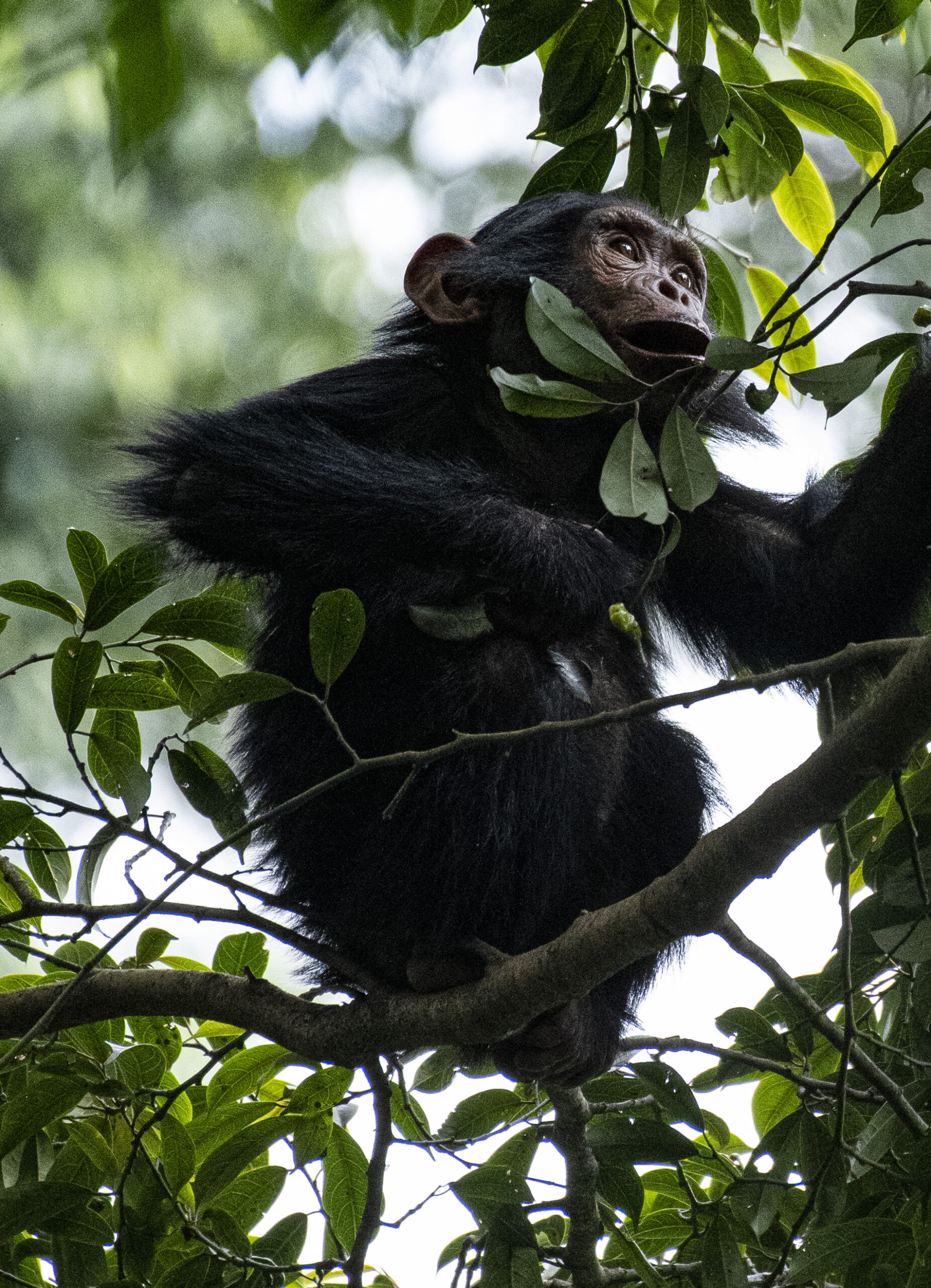
Rwanda’s own three-day conservation immersion.
VIEW DETAILS ↗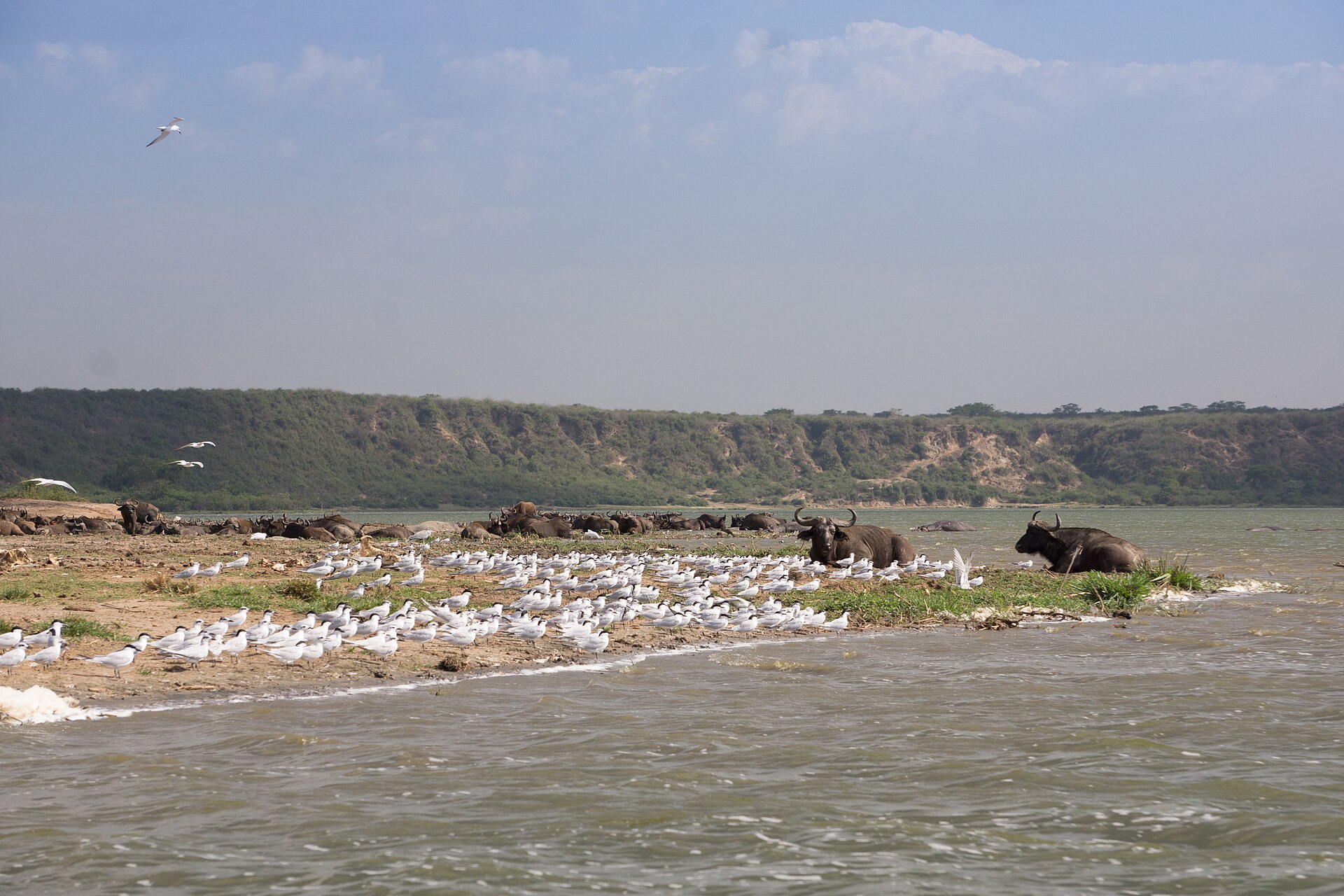
Trek both countries and compare the experience directly.
VIEW ITINERARY ↗Habituation permits are the most limited product either country offers — tell us your dates as early as possible and we’ll secure availability.
START PLANNING ↗