
August 20, 2026 · 5 min read
Kwita Izina — Rwanda’s Baby Gorilla Naming Ceremony
Every September, on the grassy foothills of Volcanoes National Park in Kinigi, Rwanda holds one of the more unusual public ceremonies anywhere in the world: the formal naming of that year’s baby mountain gorillas. It is called Kwita Izina, and since 2005 it has become one of the country’s signature conservation events — part scientific record-keeping, part cultural tradition, part national celebration.
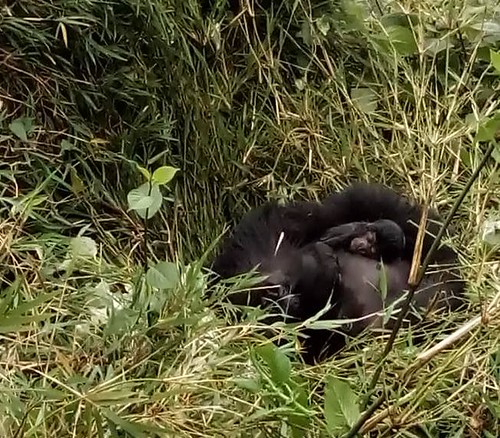
The name itself comes from an old Rwandan custom. For generations, Rwandan families have held naming ceremonies for their children in front of relatives and community members, a formal welcome into the family and the community. Long before Kwita Izina existed as a public event, park rangers and researchers were already doing something similar for the gorillas — quietly naming each baby born into the habituated families, purely as a practical way to track individuals across a population where every animal needs to be identifiable for decades of research and protection. In 2005, Rwanda Development Board turned that internal practice into a public ceremony, and it has run every year since.
What Actually Happens
The ceremony borrows its structure directly from the human tradition it’s modelled on. Each baby gorilla born in Rwanda over the preceding year is presented — symbolically, since actual gorillas obviously don’t attend — and given a Kinyarwanda name chosen for its meaning, often reflecting the gorilla’s character, family history, or a conservation theme for that year. Names are announced on stage in Kinigi to a crowd that includes government officials, conservationists, park rangers, and increasingly, international visitors and celebrities who’ve taken an interest in Rwanda’s gorilla conservation story.
Since the first ceremony in 2005, around 400 baby gorillas have been named, including 40 at the 20th ceremony in September 2025. Each name becomes that gorilla’s permanent identifier in the research records that the Rwanda Development Board and partner conservation organizations maintain — the same tracking system that makes it possible for guides to tell you, mid-trek, exactly which silverback you’re looking at and something about his history.
Why It Matters Beyond the Ceremony Itself
Kwita Izina isn’t just theatre. It’s tied directly to the population recovery story that makes gorilla trekking in Rwanda possible at all. Mountain gorillas were once projected toward extinction — fewer than 300 individuals remained in the wild by the 1980s. Today the global population sits above 1,000, split between the Virunga Massif (spanning Rwanda, Uganda, and DR Congo) and Uganda’s Bwindi Impenetrable Forest, and it’s one of the only great ape populations in the world that’s actually growing rather than declining.
Rwanda has leaned into that recovery as a point of national identity. The ceremony draws global conservation figures, international press, and — practically speaking — a meaningful number of high-value travellers who plan their trip specifically to be in Rwanda for it. If a Kwita Izina date does end up on your itinerary, most of our clients pair it with a private gorilla trek in the days immediately before or after, since Volcanoes National Park permit availability tightens noticeably around the ceremony.
Attending Kwita Izina
The ceremony is held annually in Kinigi, Musanze District, in recent years in September (the 2025 ceremony was on 5 September). RDB announces each year’s date a few months ahead. It’s a public event — not part of the gorilla permit system — but travel logistics, accommodation, and trekking permits around the date benefit from being arranged well in advance given the surge in visitor interest that week. We build Kwita Izina attendance into private Rwanda itineraries on request, combining the ceremony with a trek, a stay at one of the lodges near Volcanoes National Park, and time in Kigali either side of the trip.
It’s a genuinely different way to experience Rwanda’s gorilla conservation story — not just an hour with a habituated family in the forest, but a look at the decades of tracking, naming, and protection that make that hour possible in the first place.
How the Names Are Chosen
Each name is a Kinyarwanda word or phrase with a meaning: a quality the namers hope the gorilla will have, something about its family or birth, or a theme the namer wants to highlight, such as peace, unity or protecting nature. The people who give the names are invited by RDB. They include conservationists, rangers, community members who live beside the park, sports stars, artists and international leaders, each naming one infant on stage. Once given, the name stays with that gorilla for life and is used by rangers and researchers who monitor it every day.
Planning a Trip Around Kwita Izina
Lodges near Kinigi and gorilla permits for the surrounding days fill quickly once the date is announced, so if you want to attend, plan as soon as the date is published. The ceremony takes most of a morning and includes traditional dance, music and speeches. A sensible plan is to arrive in the Volcanoes area two days before, trek the gorillas the day before or after the ceremony, and allow a spare day in case of changes to the programme. See our 5-day Rwanda gorilla itinerary for a route that fits around the event.
Kwita Izina FAQs
When is Kwita Izina held?
Recent ceremonies have been held in September, but the date changes from year to year. The 2025 ceremony was on 5 September, and RDB announces each year’s date in advance.
Can tourists attend Kwita Izina?
Yes, the ceremony in Kinigi is open to the public, though space is limited and security checks apply. Plan accommodation and transport well in advance.
Do you see real gorillas at the ceremony?
No. The ceremony celebrates the infants without them being present. To see gorillas you need a trekking permit for a separate day.
How many gorillas are named each year?
It depends on how many were born. In 2025, 40 infants were named, covering births from the previous two years.
Ready to Plan Your Private Gorilla Trip?
Tell us your dates and what you're hoping to experience — we reply within 48 hours with a bespoke proposal. Not ready to book? We're happy to answer questions first.
START PLANNING ↗More on Gorilla Species & Conservation
- Mountain Gorilla Skull and Brain — The Anatomy Behind the Intelligence
- Mountain Gorilla Teeth — What a Silverback’s Teeth Reveal About Age and Diet
- Mountain Gorilla Body Language — Reading Posture and Movement During the Encounter