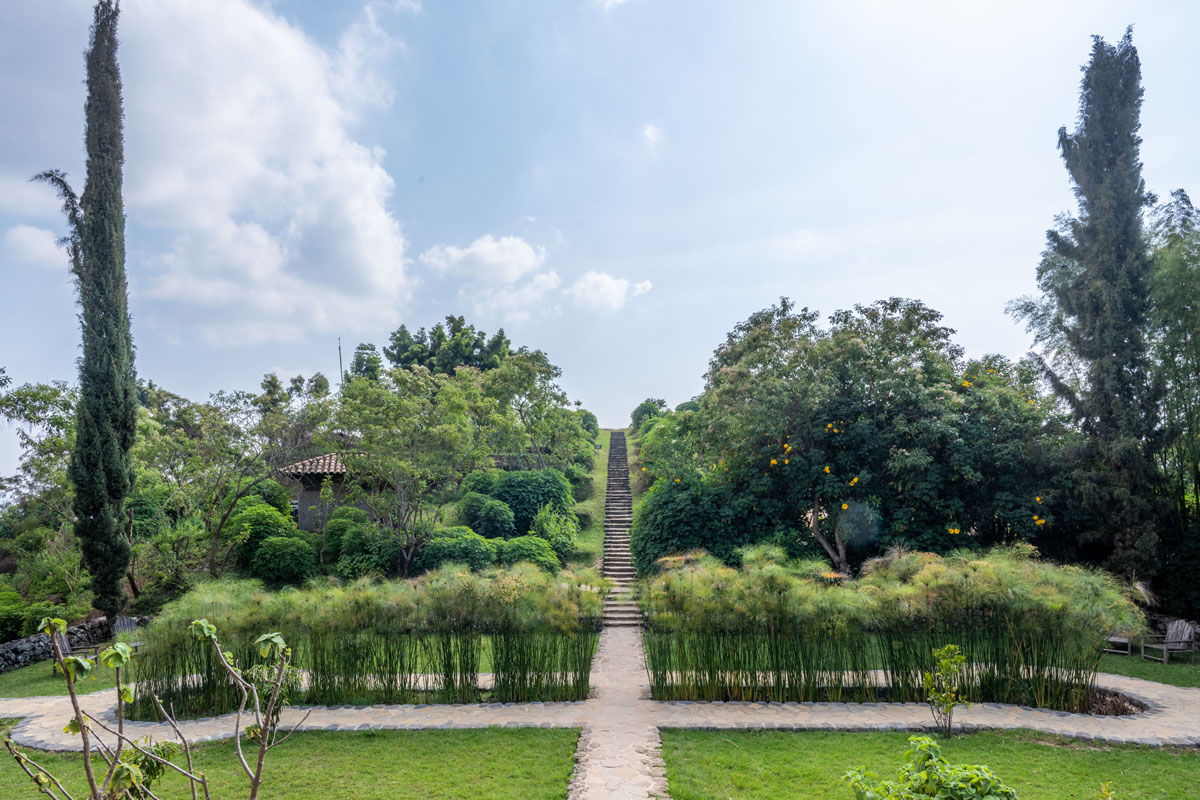
A gentler alternative to the summit hikes, the Natural Walk moves through the park’s lower zones — bamboo forest, open meadow, and the buffer zone bordering local communities — led by a guide focused on Virunga flora, birdlife, and ecology rather than distance or elevation.
A good option for travellers of moderate fitness, families with younger teens, or anyone wanting a lower-intensity morning between gorilla trekking days.
BEST TIME TO GOYear-round; dry-season mornings are most comfortable underfoot.
DIFFICULTYEasy — flat to gently rolling trail, suited to most fitness levels.
WHAT TO BRING
Pack List
Comfortable walking shoes
Sun hat and insect repellent
Binoculars if you’re interested in birdlife
A Different Way to Experience Volcanoes National Park
Where gorilla trekking and the volcano hikes are both
built around reaching a specific destination — a gorilla family or a summit — the Natural Walk has
no fixed endpoint at all. Your guide moves through the park’s lower zones at a pace set by what there is
to see rather than a distance to cover, pausing to explain Virunga flora, point out birdlife, and discuss the
park’s ecology in a way the more purposeful trekking activities simply don’t allow time for. That
unhurried structure makes it a genuinely different kind of park experience, better suited to curiosity and
observation than physical achievement.
WHO IT’S FOR
A Genuine Rest-Day Option
The Natural Walk suits travellers of moderate fitness
who still want a genuine outdoor activity rather than a full rest day, families with teenagers who meet the
minimum age but aren’t ready for a demanding summit hike, and anyone wanting a lower-intensity morning
between more strenuous gorilla trekking days. It offers a real sense of engagement with Volcanoes National
Park’s ecology without the physical toll of the park’s more demanding activities.
What You’ll See Along the Way
The walk passes through bamboo forest, open meadow, and
the buffer zone bordering local communities — a varied cross-section of the park’s lower-altitude
ecology that the higher trekking and hiking trails largely bypass. Birdlife is a particular focus, alongside
native Virunga flora your guide can identify and explain, and the buffer zone sections offer a glimpse of how
the park’s boundary interacts with surrounding agricultural land — context that adds real depth to
understanding the wider conservation picture beyond the gorillas themselves.
Frequently Asked Questions
Is this suitable for someone who can’t manage the
volcano hikes?
Yes — this is specifically designed as a gentler alternative, with terrain and pace considerably more
forgiving than Bisoke, Muhabura, or Karisimbi.
Why is the minimum age 15 if it’s
gentler than the hikes?
The age minimum aligns with general park entry policy for guided activities rather than reflecting the
walk’s specific physical difficulty, which is genuinely lower than the summit hikes.
How long does the walk take?
Typically a half-day, with the exact duration flexible based on your group’s interest and pace —
there’s no fixed distance or summit to reach, so guides can adjust timing to suit the group.
Can we combine this with golden monkey
trekking?
Yes — both are relatively gentle activities that pair well on the same day or across a two-day rest
period between more demanding treks.
Is this a good introduction to the park before
a gorilla trek?
Many guests find it useful precisely for this reason — a lower-pressure way to acclimatise to the
park’s terrain and altitude before the more demanding gorilla trek itself.
WHY IT’S WORTH ADDING
Depth Without Demand
Most Volcanoes National Park itineraries pack in
physically demanding activities back to back — gorilla trekking, golden monkey trekking, a volcano
hike — leaving little room for genuinely unhurried observation of the park itself. The Natural Walk
fills that gap directly, offering real ecological depth and engagement without adding to the cumulative
physical fatigue of a demanding itinerary. For travellers who want their trip to include real understanding
of the park’s ecology, not just its headline wildlife encounters, it’s one of the most
worthwhile lower-intensity additions available.
What to Bring
Comfortable walking shoes — sturdy trainers or light hiking boots are sufficient
A rain jacket, given the changeable weather typical of the Virunga foothills
Binoculars for the birdlife along the route
A camera for the flora and buffer-zone views
Sun protection for the more open meadow sections
Booking This Into Your Itinerary
The Natural Walk is booked as a standalone paid activity
with straightforward scheduling flexibility, easily arranged with modest notice as part of your Volcanoes
National Park stay. We typically recommend it as a specific rest-day activity between gorilla treks, or as a
gentle first-morning introduction to the park’s terrain before more demanding activities begin later in
your stay.
GOOD TO KNOW
Natural Walk at a Glance
TERRAINBamboo forest, open meadow, park buffer zone
DIFFICULTYGentle to moderate, significantly easier than the volcano hikes
FOCUSFlora, birdlife, park ecology and community boundary
BEST PAIRED WITHGolden monkey trekking, a rest day between gorilla treks
Understanding the Buffer Zone
The buffer zone sections of the walk — the land
bordering the park where community agriculture meets protected forest — offer a perspective most
trekking activities never touch directly. Seeing how closely farmland presses against the park boundary
makes the conservation challenge genuinely tangible: this narrow strip is where human activity and gorilla
habitat meet most directly, and where much of the practical work of coexistence — boundary patrols,
community outreach, crop-protection measures — actually happens day to day. Guides often use this
section to explain how the park’s community relationships function in practice, beyond the more abstract
conservation-fee-sharing model most visitors hear about only in passing.
Who Leads the Walk
Guides for the Natural Walk are typically selected
specifically for their ecological knowledge rather than trekking-logistics experience alone — a
meaningful distinction, since the walk’s value depends heavily on a guide who can identify flora, explain
birdlife, and discuss the park’s ecology in depth rather than simply lead a group from point to point.
That expertise is what separates the Natural Walk from a generic nature stroll, and is worth asking about
specifically if a particular area of interest — birds, plants, or the buffer-zone community relationship
— matters most to you, so we can match you with the guide best suited to that focus when arranging your specific booking.
Making the Most of a Rest Day
A common mistake on multi-day gorilla trekking
itineraries is treating every non-trekking day as pure downtime, which can leave guests feeling like they
missed part of what the park has to offer. The Natural Walk strikes a useful middle ground — genuine
activity and engagement with the park’s ecology, without the physical toll that would undermine
recovery ahead of another demanding trek the following day. For itineraries with two or more gorilla treks
scheduled across a stay, it’s one of the better ways to fill the day between them productively.