
June 20, 2026 · 4 min read
Photo: Giles Laurent, CC BY-SA 4.0
The Kibale Chimpanzee Walk — What the Morning Actually Looks Like
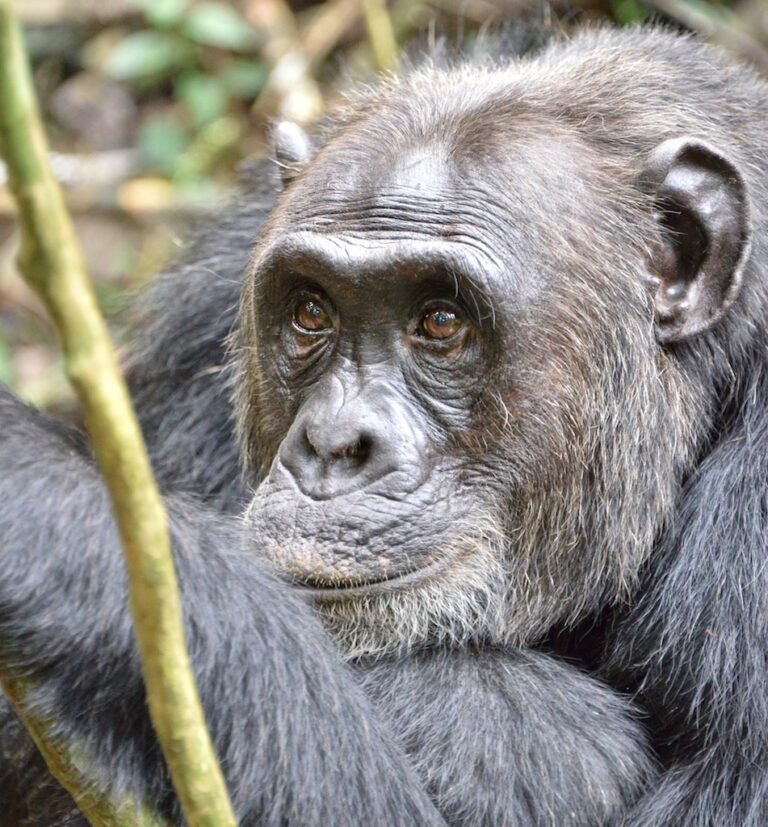
The Kibale National Park chimpanzee trekking experience follows a morning structure that is procedurally similar to the gorilla trek — permit check, briefing, forest approach, encounter, return — but whose specific character is significantly different from the gorilla morning in ways that are worth understanding before arrival. The chimpanzee morning’s most distinctive feature is its acoustic dimension: chimpanzee communities announce their presence and location through vocalizations that carry through the Kibale forest at volumes that make the gorilla family’s relatively quiet morning seem like a silent meditation by comparison.
The Morning Briefing at Kanyanchu
The Kibale chimpanzee trekking morning briefing takes place at the Kanyanchu Visitor Centre — the main entry point to the Kanyantale community’s ranging area. The briefing covers the same core protocol elements as the gorilla briefing: the minimum distance (at least eight metres from the chimpanzees), the no-flash photography rule, the illness exclusion protocol, and the ranger guide’s role during the encounter. Visitors trek in small groups, each with its own ranger guide.
The Forest Approach — Led by Sound
The chimpanzee approach frequently begins with sound before sight — the chimpanzee community’s morning loud calls (pant-hoots that begin as a low build and rise to a full-volume shriek) are audible at considerable distance through the forest, and the tracker’s approach navigation is partly acoustic rather than entirely track-based. The sound of a chimpanzee community calling in the forest — a wall of primate noise that is unmistakably different from any bird or other forest sound — is one of the most remarkable sensory experiences of the Kibale morning, and it often begins while the group is still fifteen to twenty minutes’ walk from the community’s current position.
The Encounter — Movement vs Stillness
The chimpanzee encounter is physically active in a way the gorilla encounter is not — the community moves through the forest canopy and understorey at chimpanzee speed, which is faster than the visitor group can consistently track. The ranger guide manages the group’s movement to keep visual contact with the community’s main activity rather than following every individual movement, and the encounter is therefore a sequence of active visual contacts with different community members rather than the extended sustained observation of a single settled family that the gorilla encounter provides. The activity level is higher, the visual contacts are briefer, and the overall energy is more kinetic.
After the Encounter — The Return Walk
The return walk from the chimpanzee encounter at Kibale takes approximately forty-five minutes to one hour from the morning’s deepest forest position. The forest on the return is the same forest the approach traversed — but the direction of attention changes, and visitors who are paying attention during the return walk often notice birds, forest floor insects, and botanical details that the approach’s forward focus passed without registering. The Kibale forest is one of the most species-rich forest birding environments in Uganda — the African pitta, several Albertine Rift endemic species, and the diverse canopy frugivores are all present in the zones the chimpanzee track passes through.
Morning or Afternoon Trek?
Kibale runs chimpanzee treks in the morning and the afternoon. Morning treks start around 08:00 and catch the chimps active and calling after leaving their nests. Afternoon treks can be quieter but are a good option if you arrive late from another park. Both give one hour with the chimpanzees once they are found. For a full day following a community from nest to nest, ask about the Chimpanzee Habituation Experience, which costs more and needs booking well ahead.
What to Bring
- Long trousers tucked into socks, and long sleeves: safari ants are common on Kibale’s trails
- Light waterproof jacket: Kibale is a rainforest, and showers can come at any time
- Comfortable walking shoes or boots with grip; the terrain is mostly flat
- Water, and a camera set for low light, since chimps are often high in the canopy
After the trek, the community-run Bigodi Wetland walk is an excellent afternoon add-on for birds and monkeys. Plan the full Kibale stay with our Kibale chimpanzee trekking guide.
Kibale Chimp Trek FAQs
How much is a Kibale chimp permit?
$250 per person in 2026 for foreign non-residents.
What is the minimum age?
12 years.
How long does the trek take?
Usually two to four hours in total, including one hour with the chimpanzees.
Ready to start planning? Browse our Rwanda & Uganda safaris or contact us to build your itinerary.
Ready to Plan Your Private Gorilla Trip?
Tell us your dates and what you're hoping to experience — we reply within 48 hours with a bespoke proposal. Not ready to book? We're happy to answer questions first.
START PLANNING ↗