

June 20, 2026 · 5 min read
Photo: Thomas Fuhrmann, CC BY-SA 4.0
The Kigali Genocide Memorial — Why It Belongs in the Rwanda Itinerary
The Kigali Genocide Memorial is one of the most significant memorials in Africa and one of the most thoughtfully executed genocide education sites in the world. Visiting it before the gorilla trekking component of the Rwanda itinerary rather than after — or omitting it entirely in favour of wildlife focus — misses a dimension of the Rwanda experience that is inseparable from the country’s present character: the reconstruction, the stability, the conservation achievement, and the national energy that makes Rwanda the functional, forward-looking country it is today are all products of the specific historical catastrophe and the specific political and moral response to it that the memorial documents.
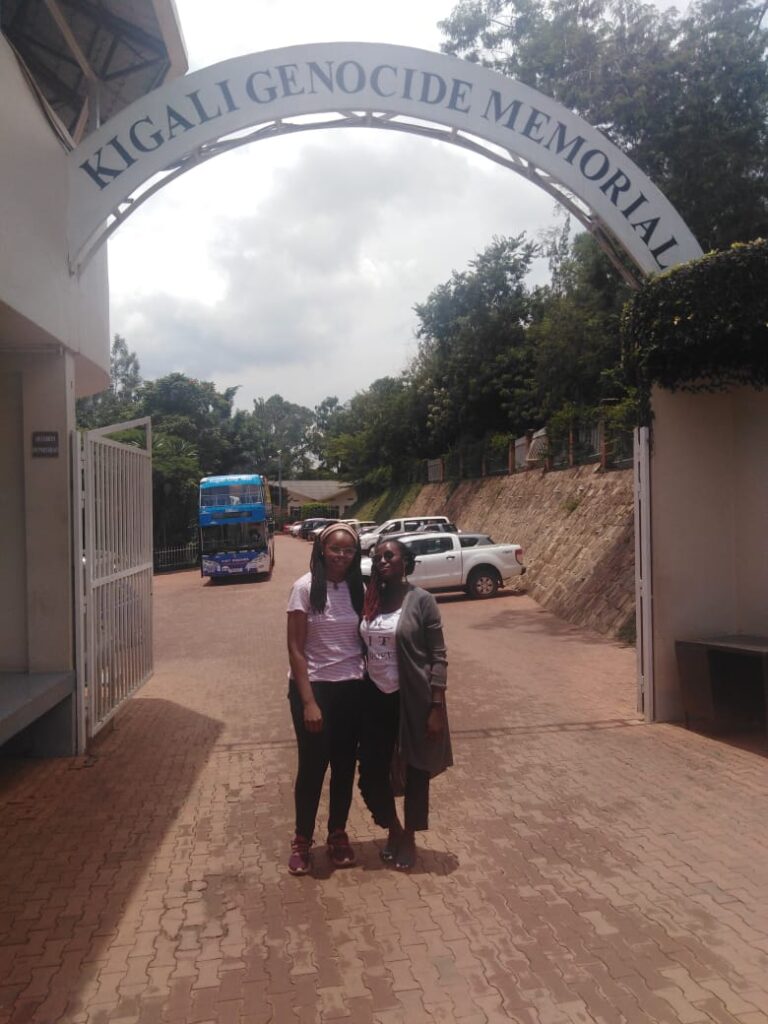
What the Memorial Contains
The Kigali Genocide Memorial at Gisozi is built on a site where more than 250,000 genocide victims are buried — the most visible of the burial gardens is the expanse of rose-coloured concrete slabs covering the mass graves in the memorial’s garden area. The museum building contains three permanent exhibitions: the 1994 genocide documentation (the planning, the execution, the one hundred days of killing, the international community’s failure to intervene, and the RPF’s military advance that ended the genocide); the history of Rwanda pre-genocide (the colonial-era construction of ethnic categories that the genocide’s architects exploited); and the Children’s Room — the exhibition of photographs and biographical descriptions of specific child victims, their ages, personalities, and the manner of their deaths, which is the most emotionally demanding section of the museum.
How to Visit
The memorial requires approximately two to three hours for a thorough visit — the exhibition rooms are densely informative and the emotional processing demands that the most difficult sections require cannot be rushed without reducing the memorial’s effect to visual stimulus. Guided visits (included in the entry, which is free, though donations are invited) are led by Rwandan staff members who navigate the personal dimension of the memorial — many are genocide survivors themselves, or children of survivors — with a combination of historical rigour and personal honesty that the best memorial guides provide.
Practical considerations for visiting: wear comfortable shoes for the garden areas; allow thirty minutes after the Children’s Room exhibition before attempting to engage with any other activity; and do not schedule the memorial as the first activity of the day if the rest of the day involves significant social engagement. The memorial’s emotional weight requires processing time. Scheduling it as the primary afternoon activity with the subsequent evening free is the most respectful itinerary arrangement.
Why the Memorial Enhances the Travel Experience
The Rwanda that visitors experience at Volcanoes National Park — the functional infrastructure, the clean city, the professional rangers, the conservation achievement — exists in its current form because of the specific political choices made in the years after 1994 rather than despite the genocide. Understanding what was rebuilt and why it was rebuilt the way it was, through the memorial’s documentation of what was destroyed and how it was destroyed, produces a qualitatively different appreciation of the current Rwanda than wildlife observation alone can provide.
Visiting Respectfully
- Dress modestly and keep voices low, especially in the burial gardens.
- Photography is not allowed inside the exhibitions. Ask before taking photos in the gardens.
- Allow time afterwards. Many visitors find it helpful to sit quietly in the gardens or café before moving on.
- Children can visit, but parts of the exhibition are very distressing. Parents should judge what is right for their family.
Kwibuka: The Annual Commemoration
Each year from 7 April, Rwanda marks Kwibuka (“to remember”), the start of 100 days of commemoration of the genocide against the Tutsi. The first week is especially solemn, with national events and quieter public life. Travel continues as normal and visitors are welcome, but it is a time for respect. Some visitors choose to visit the memorial during this period to share in the remembrance.
Other Memorial Sites
Outside Kigali, the church memorials at Nyamata and Ntarama, about 30 to 40 minutes south of the city, preserve the places where thousands sought refuge and were killed. Murambi, in southern Rwanda, is among the most confronting sites in the country and lies on the route to Nyungwe National Park. A single visit, usually to the Kigali memorial, is enough for most travellers; a second site suits those who want to understand more deeply.
Fitting It into Your Trip
The easiest time is your first or last afternoon in Kigali, around flights. Pair it with a quieter evening rather than a busy dinner. Our Kigali city and culture guide suggests how to plan a full day in the capital.
Kigali Genocide Memorial FAQs
Is there an entry fee?
Entry has been free, with donations welcome and an audio guide available. Check current opening hours before you go.
How long should I spend at the memorial?
Two to three hours lets you see the exhibitions and the gardens without rushing.
Is it appropriate for tourists to visit?
Yes. Rwanda encourages visitors to learn this history, and the memorial is designed to educate people from all over the world.
Ready to start planning? Browse our Rwanda & Uganda safaris or contact us to build your itinerary.
Ready to Plan Your Private Gorilla Trip?
Tell us your dates and what you're hoping to experience — we reply within 48 hours with a bespoke proposal. Not ready to book? We're happy to answer questions first.
START PLANNING ↗