Beyond its chimpanzees, Nyungwe protects twelve further primate species, including L’Hoest’s monkey, olive baboon, red-tailed monkey, and Africa’s largest known troop of Ruwenzori colobus — sometimes numbering several hundred individuals moving together through the canopy.
Treks are capped at ten travellers per group and can be arranged as a standalone half-day or combined with a chimpanzee trek for a fuller primate-focused day.
BEST TIME TO GOYear-round; the Ruwenzori colobus troop is most reliably found near Uwinka in the dry-season months.
DIFFICULTYModerate — forest trail walking, less demanding than chimpanzee trekking.
WHAT TO BRING
Pack List
Hiking boots and a rain jacket
Insect repellent
Binoculars for canopy-level sightings
The Colobus Super-Troop, and Nyungwe’s Other Primates
Nyungwe’s Ruwenzori colobus population includes
Africa’s largest known troop of the species — sometimes numbering several hundred individuals
moving together through the canopy, a genuinely rare spectacle even among Africa’s well-known primate
destinations, since colobus troops elsewhere rarely reach anywhere near this scale. Beyond the colobus,
Nyungwe’s remaining eleven non-chimpanzee primate species include L’Hoest’s monkey, a
striking, ground-dwelling species distinctive even among East Africa’s varied monkey population, the
more commonly seen olive baboon, and the red-tailed monkey, named for the distinctive rust-coloured tail that
sets it apart at a glance.
Twelve species in a single park, alongside its
chimpanzee population, gives Nyungwe a primate density and diversity that few other single destinations in
Africa can match.
WHO IT’S FOR
Primatologists, Photographers, and Curious Generalists
This trek suits travellers with a specific interest in
primate diversity beyond the headline chimpanzee experience, wildlife photographers drawn to the sheer scale
and visual spectacle of the colobus super-troop, and any traveller who wants to round out a Nyungwe stay
with a broader wildlife encounter than chimpanzee trekking alone provides. The smaller ten-person group cap
also makes for a more intimate experience than some of the region’s larger group activities.
Standalone or Combined With Chimpanzee Trekking
The trek works well either as a standalone half-day
activity or combined with chimpanzee trekking for a fuller, primate-focused day at Nyungwe — guests
choosing the combined option typically find the two encounters complement each other well, given how
differently the various species move and behave compared to chimpanzees specifically. Given both activities
share the same general park area, combining them doesn’t require significant additional transfer time
beyond the trekking itself.
Frequently Asked Questions
Is this as physically demanding as chimpanzee trekking?
Generally comparable, though the specific difficulty depends on which species’ territory your guide is
tracking on a given day — some encounters require less walking than others.
Are sightings guaranteed?
As with all wildlife trekking, sightings depend on the animals’ location on the day, though
Nyungwe’s overall primate density makes encountering at least some species highly likely on most
outings.
How does the colobus super-troop compare to
seeing colobus elsewhere in Africa?
Nyungwe’s troop is notably larger than colobus groups typically encountered elsewhere, offering a
visual scale and spectacle that smaller troops simply cannot match.
Should we do this before or after chimpanzee
trekking if combining both?
Either order works; many guests prefer chimpanzee trekking first while energy levels are highest, given it’s
generally the more physically demanding of the two.
Is a minimum age required?
There’s no fixed minimum age comparable to gorilla or chimpanzee trekking, though we advise based on
your children’s fitness and attention span given the trek’s length and pace.
WHY IT’S WORTH ADDING
Nyungwe’s Underappreciated Wildlife Depth
Chimpanzee trekking understandably dominates most
Nyungwe itineraries, but treating the park as a single-species destination undersells its genuine wildlife
depth — twelve additional primate species, including one of the continent’s most remarkable
colobus populations, available through a single, well-organised half-day trek. For travellers who want their
Nyungwe visit to reflect the park’s full ecological richness rather than a narrow, single-encounter
focus, this trek is one of the clearest ways to do that without significant added cost or logistical
complexity.
What to Bring
Waterproof hiking boots for the forest trails
A rain jacket — Nyungwe is a genuine rainforest in every season
Binoculars for spotting primates moving through the canopy
A camera with a versatile zoom, given how much sighting distances vary by species
Neutral-coloured clothing to avoid startling wildlife before your guide spots it
Booking This as Part of Your Nyungwe Stay
Because this trek is booked as a standalone paid activity
rather than through a capped permit system like chimpanzee trekking, it offers more scheduling flexibility and
can typically be arranged with modest advance notice as part of your broader itinerary. Most guests build it
into a two-to-three-night Nyungwe stay alongside chimpanzee trekking, birding, and the canopy walkway,
sequencing activities to balance physical demand across the visit rather than front-loading everything into a
single exhausting day.
Getting There
The trek departs from trailheads a short drive from
One&Only Nyungwe House and the main park road, requiring no significant separate transfer beyond what your other
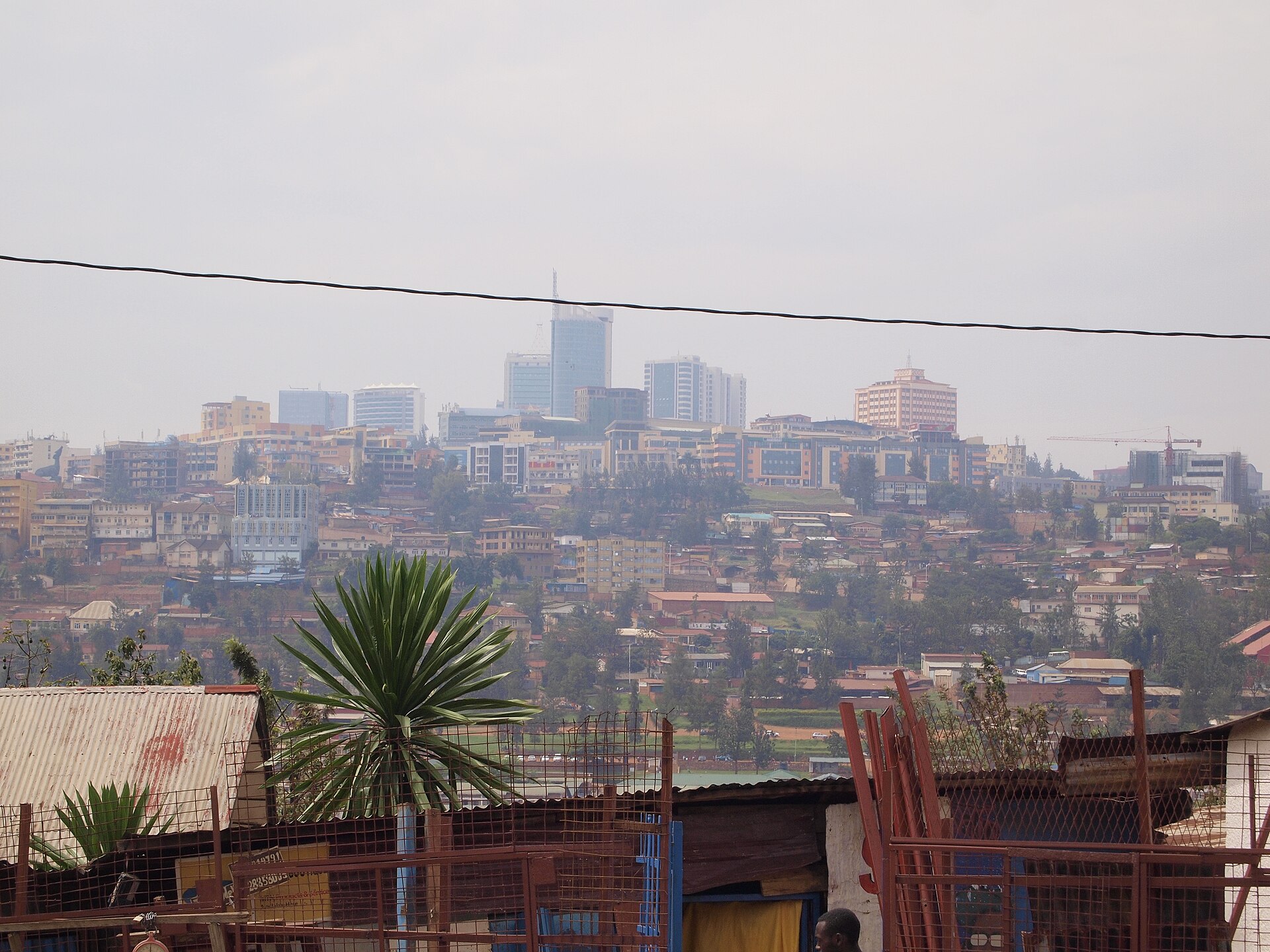
Nyungwe activities already involve. Nyungwe itself sits roughly five to six hours by road from Kigali, or
reachable by a shorter flight to Kamembe airstrip followed by a road transfer — logistics we arrange as
part of your overall Rwanda itinerary.
Meeting L’Hoest’s Monkey
Of Nyungwe’s twelve non-chimpanzee primate species,
L’Hoest’s monkey draws particular interest from visiting primatologists and serious wildlife
photographers — a striking, largely ground-dwelling species with a distinctive white throat patch and
reddish-brown coat, found only within a limited range across the Albertine Rift. Its ground-dwelling habits
make it a genuinely different photographic subject from the canopy-dwelling colobus and red-tailed monkeys
also present in the park, rewarding a trek that covers varied terrain rather than a single fixed habitat zone.
Its comparative rarity and limited range make encountering it a genuine highlight for trekkers who specifically
ask their guide to prioritise it on the day.
A Complement to, Not a Replacement for, Chimpanzee Trekking
It’s worth being clear that this trek is a genuine
complement to chimpanzee trekking rather than a substitute for it — chimpanzees remain Nyungwe’s
headline wildlife draw, and travellers with limited time should prioritise that experience first. This trek
earns its place for guests with an extra day or two at Nyungwe, or with a specific interest in the park’s
broader primate diversity beyond its single most famous species. We can advise honestly on whether it’s
worth including given your specific itinerary length and priorities, rather than presenting it as an automatic
addition for every guest, and are always glad to talk through the trade-offs directly before you decide, particularly if you’re
balancing this against other Nyungwe activities like birding or the canopy walkway within a limited number of
nights.
GOOD TO KNOW
Nyungwe Primate Trekking at a Glance
SPECIES12, plus chimpanzees separately
GROUP SIZECapped at 10 trekkers
DURATIONHalf-day, standalone or combined with chimpanzee trekking