
June 20, 2026 · 4 min read
Photo: Esme Stewart, CC BY-SA 4.0
The Gorilla Rangers — What They Do Every Day
The gorilla trekking encounter’s managed quality — the seven-metre viewing distance maintained, the one-hour encounter protocol followed, the gorilla family’s settled tolerance of visitor presence — is the product of the daily work of a ranger and monitoring team whose routine existence most visitors are aware of in general terms but few understand in specific detail. Volcanoes National Park relies on a large team of rangers, trackers and researchers; understanding what the different ranger roles involve illuminates a dimension of the gorilla conservation story that the encounter hour itself does not fully surface.
Daily Family Monitoring — The Core Activity
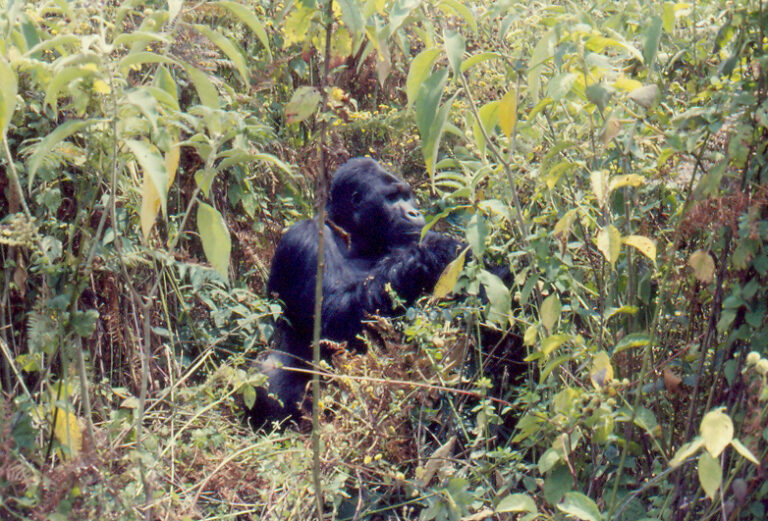
Each habituated gorilla family at Volcanoes National Park is assigned a dedicated monitoring team of three to four rangers who track the family every day of the year, 365 days a year, regardless of weather, terrain, or encounter duration. The monitoring team’s day begins before dawn — they leave the ranger post to find the family at the previous evening’s nest site, reach the family’s current location before the gorilla trek visitors arrive, and spend the period between the family’s dawn activity and the visitor group’s arrival gathering the behavioural data that the family’s long-term monitoring record requires.
The monitoring data collected daily includes: family location (GPS coordinates), family headcount (all members present or any absences noted), infant status (new infants, nursing observations, infant health indicators), notable social events (inter-family encounters, intra-family social conflicts, birth events), food species consumed, and any health observations that warrant further reporting to the Gorilla Doctors veterinary team. This daily data entry into the family’s long-term monitoring record is what constitutes the longitudinal database that mountain gorilla science depends on — more than fifty years of continuous daily observation for the Karisoke-monitored families.
Anti-Poaching Patrols
A separate ranger unit conducts anti-poaching patrols on a rotational basis — covering the park boundary and interior on foot, removing wire snares set by poachers (primarily targeting bushbuck and buffalo, but also capable of injuring gorillas), and maintaining the human presence that deters active poaching from the park interior. The anti-poaching patrol rangers are the park’s most physically exposed unit — their work takes them into the boundary areas where the human-wildlife tension is highest and where the illegal activity they are preventing produces the most direct confrontations. The ranger casualty rate in anti-poaching work across the DRC’s Virunga NP (where the security situation is more hostile than in Rwanda) has been among the highest of any national park ranger force in Africa.
The Human Cost
The gorilla conservation story’s human dimension — the rangers who have been injured or killed in anti-poaching operations, the community members who have made the transition from poaching to conservation employment, the families who depend on the park’s operational continuity for their livelihoods — is not visible during the one-hour gorilla encounter but is present in the landscape that surrounds it. The gratuity that a gorilla trekking visitor gives to the ranger team at the end of the trek morning is not simply a courtesy; it is a small acknowledgement of the daily human investment that the encounter depends on.
The Team Behind Your Trek
| Ranger guide | Leads your group, gives the briefing, enforces the rules and interprets gorilla behaviour during the hour |
| Trackers | Set out at dawn, follow the family from last night’s nests and radio its position to your guide |
| Armed rangers | Accompany groups to protect visitors and gorillas, especially from buffalo and elephants |
| Porters | Local community members hired at the trailhead to carry bags and help on slopes |
| Researchers and vets | Monitor health and behaviour and step in when a gorilla is injured or sick |
Tipping the ranger guide, trackers and porters is customary and makes a real difference to their families. See our money and tipping guide for typical amounts. To spend more time with the people behind the gorillas, consider Rwanda’s Behind the Scene Gorilla Package.
Gorilla Ranger FAQs
Are the gorilla rangers armed?
Some rangers who accompany groups carry rifles, mainly as protection from buffalo and elephants. They are rarely, if ever, needed.
How do trackers find the gorillas each morning?
They go to where the family slept, then follow trails of broken plants, dung and fresh feeding signs until they reach the family.
Can I ask the ranger questions during the encounter?
Yes, quietly. Rangers know each gorilla by name and are happy to share their stories.
Ready to start planning? Browse our Rwanda & Uganda safaris or contact us to build your itinerary.
Ready to Plan Your Private Gorilla Trip?
Tell us your dates and what you're hoping to experience — we reply within 48 hours with a bespoke proposal. Not ready to book? We're happy to answer questions first.
START PLANNING ↗More on Gorilla Trekking Tips & Planning
- East Africa Safari How Many Days — The Honest Guide to Trip Length
- Gorilla Trekking Data Comparison — What the Numbers Actually Show About Your Odds
- East Africa Safari What to Read — Books and Films That Prepare the Mind