Getting There & Visas
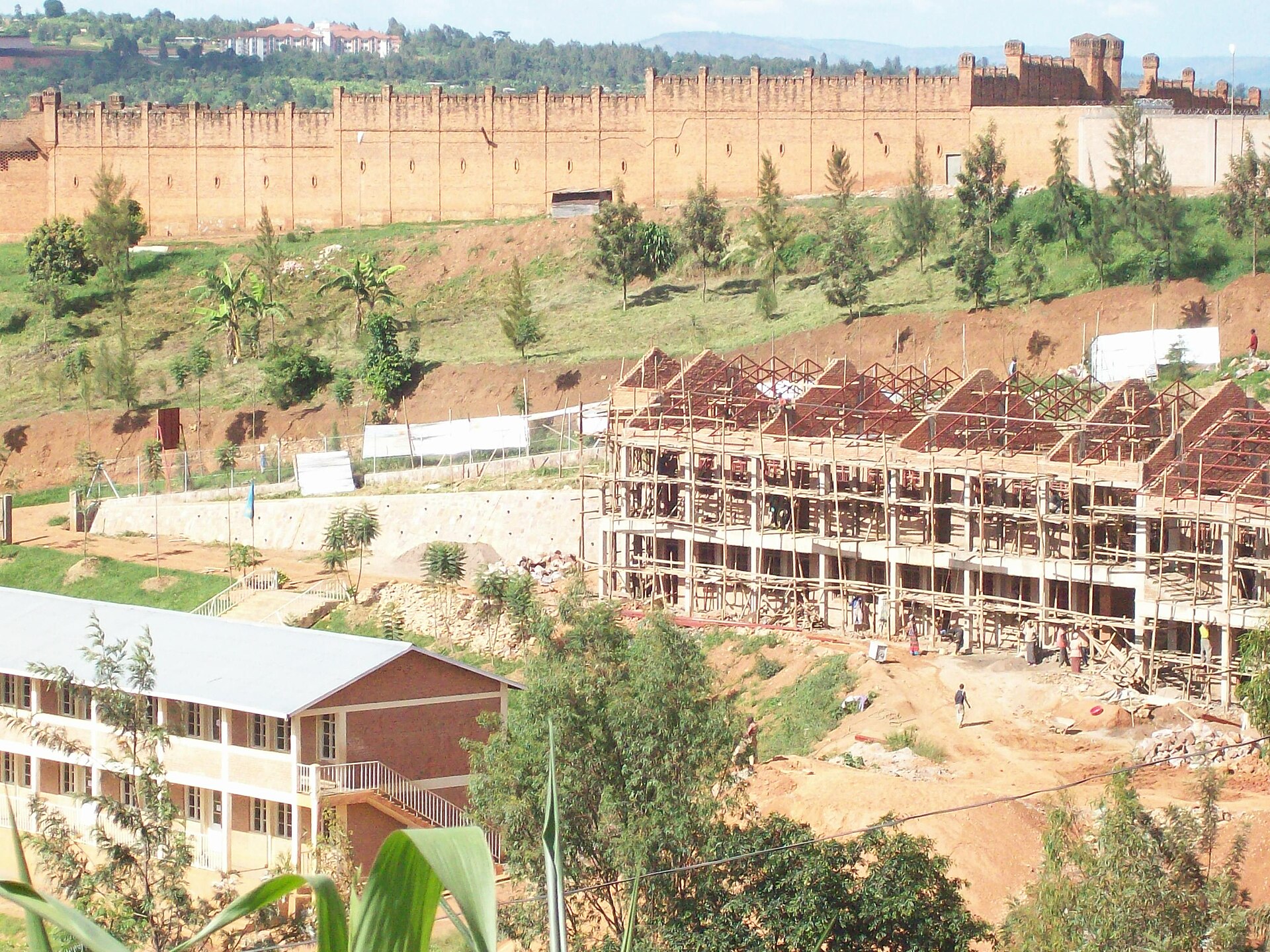
Entry points, e-visas, and transfer times between Kigali, Entebbe, and the parks.
VIEW DETAILS ↗
RWANDA GORILLA EXPERIENCES
Standard Permit — $1,500 Exclusive Experience — $15,000 Behind the Scene Package Photography & Film PermitsUGANDA GORILLA EXPERIENCES
Gorilla Habituation Experience Uganda Gorilla Permit — $800 View All ExperiencesRWANDA
Volcanoes National Park Nyungwe National Park Akagera National Park Gishwati-Mukura National ParkUGANDA
Bwindi Impenetrable National Park Mgahinga Gorilla National Park Murchison Falls National Park View All National ParksRWANDA LODGES
Singita Kwitonda Lodge One&Only Gorilla’s Nest Bisate Lodge One&Only Nyungwe House Magashi CampUGANDA LODGES
Clouds Mountain Gorilla Lodge Sanctuary Gorilla Forest Camp Kyambura Gorge Lodge View All LodgesSAMPLE ITINERARIES
Rwanda 3-Day Gorilla Itinerary Rwanda 7-Day Luxury Circuit Rwanda Honeymoon: Gorillas & Lake Kivu 14-Day Ultra-Luxury Double Gorilla Trek 23-Day Grand Primate Safari View All ItinerariesRwanda and Uganda share the same broad climate pattern across the Virunga and Bwindi highlands — two dry seasons and two rainy seasons each year, driven by altitude rather than sharp temperature swings. You can trek gorillas comfortably in almost any month; what changes with the season is trail conditions underfoot, how far in advance you need to book a permit, and how many other travellers you’ll share the trailhead with.
Quick answer: the best time for gorilla trekking in Rwanda and Uganda is during the two dry seasons, June to September and December to February, when trails are firmest. Trekking runs all year, though, and the wetter months bring the lowest prices: Uganda’s permit drops from $800 to $600 in April, May and November, and Rwanda offers a discounted permit from November to May for travellers who also stay in Akagera or Nyungwe.
Widely considered the best trekking window of the year. Trails are firm and considerably less muddy, skies are clearer for photography, and mornings at altitude are crisp rather than damp. It’s also peak season for both RDB and UWA permits, so availability is tightest — we recommend booking Rwanda permits at least 6–9 months ahead and Uganda permits 3–6 months ahead for July and August travel.
A genuinely good second window, often overlooked in favour of the July/August rush. January and February in particular are reliably dry across both countries, with warm days and cool, clear evenings at altitude. December sees a spike around the Christmas and New Year holidays, so permits for that specific fortnight book up almost as far ahead as peak summer.
THE OTHER HALF OF THE YEAR
Neither rainy season rules out trekking — gorillas don’t stop being trekked when it rains, and permits are issued year-round. What changes is comfort underfoot and how far you can see. In exchange, the forest is at its greenest, birding and photography light is superb, lodges are quieter, and Rwanda’s low-season permit discount kicks in.
The wettest stretch of the year, peaking in April. Trails at Bwindi and Volcanoes NP get genuinely slippery — sturdy boots and gaiters matter more here than in any other month. RDB has at times offered a 30% low-season discount on the standard permit ($1,050 instead of $1,500) for November to May trips that include at least 3 days / 2 nights in Akagera and/or Nyungwe National Park. Promotions change from year to year, so we confirm the rate that applies to your dates and nationality when we check permit availability.
Shorter and less predictable than the long rains — often afternoon showers rather than all-day rain, with clear mornings still common. A good compromise season if you want quieter trails and lush scenery without committing to peak-wet April.
AT A GLANCE
| Month | Season | Conditions | Good For |
|---|---|---|---|
| January | Short dry | Warm, mostly clear | Trekking, moderate crowds after New Year |
| February | Short dry | Driest of the short-dry months | Trekking |
| March | Long rains begin | Increasingly wet from mid-month | Fewer crowds; Rwanda discounted permit with an Akagera or Nyungwe stay |
| April | Long rains (peak) | Heaviest rainfall of the year | Quietest trails; Uganda permit $600 |
| May | Long rains (tail) | Still wet, greener landscapes | Uganda permit $600; Rwanda discounted permit with an Akagera or Nyungwe stay |
| June | Long dry begins | Drying out quickly | Trekking, ahead of the July rush |
| July | Long dry (peak) | Driest, coolest mornings | Peak trekking — book early |
| August | Long dry (peak) | Dry, busiest month | Peak trekking — book early |
| September | Long dry (tail) | Still dry, slightly quieter | Excellent trekking |
| October | Short rains begin | Increasing afternoon showers | Fewer crowds |
| November | Short rains (peak) | Wettest of the short-rain months | Lush, quiet trails; Uganda permit $600 |
| December | Short dry begins | Drying out, holiday crowds | Good trekking — book early for Christmas/New Year |
PERMIT PRICES BY SEASON
Season changes the price of a permit in both countries, and the low-season rules are strict, so it is worth knowing them before you choose your dates.
| PERMIT | STANDARD | LOW SEASON | CONDITIONS |
|---|---|---|---|
| Uganda gorilla trekking (UWA) | $800 | $600 in April, May and November | Low-season permits cannot be rescheduled once bought |
| Rwanda gorilla trekking (RDB) | $1,500 | Promotional rates in some years, outside June to October | Terms change yearly; we confirm what applies to your dates |
| Uganda Gorilla Habituation Experience | $1,500 | No low-season rate | Rushaga sector only, maximum four visitors |
| Rwanda Exclusive Gorilla Experience | From $15,000 per group | No low-season rate | Private trek for up to eight people |
Prices are per person unless stated and are set by the Uganda Wildlife Authority and the Rwanda Development Board, which can change them. We confirm current rates and conditions when you enquire.
RWANDA VS UGANDA
Both countries follow the same two-dry, two-wet pattern, but the forests behave differently. Bwindi Impenetrable Forest in Uganda is a true rainforest: it can rain on any day of the year, the canopy keeps the trails damp for longer after a storm, and the steep ridges make mud more of a factor. That is why the dry months matter slightly more for Bwindi, and why we pay close attention to which trekking sector you are assigned in the wetter months.
Volcanoes National Park in Rwanda sits higher, between roughly 2,400 and 4,500 metres, on volcanic slopes of bamboo and open hagenia forest. Mornings are colder, often around 10–15°C at the trailhead, but the forest is more open and drains faster, so a wet-season trek is usually less punishing than in Bwindi. Mgahinga in Uganda shares Rwanda’s Virunga landscape and behaves the same way.
If you are combining gorillas with a savanna safari, the dry seasons are also the best months for game viewing in Akagera and Queen Elizabeth National Park, when grass is shorter and animals gather near water.
BEST MONTHS FOR…
CHOOSING YOUR SEASON
Aim for July–September — the driest, firmest conditions, and book your permit 6–9 months out.
April and November are quietest, with permits far easier to secure on shorter notice.
Uganda’s permit is $600 in April, May and November, and Rwanda discounts its permit from November to May when you also stay in Akagera or Nyungwe.
January and February are a reliable middle ground — dry, warm, and less booked-out than mid-summer.
What is the best month for gorilla trekking?
July and August are the driest and most popular months, with January and February a close second. September is our favourite balance of dry trails and slightly fewer visitors.
Is it worth gorilla trekking in the rainy season?
Yes. Permits are issued all year, the gorillas are just as easy to find, and you pay less in Uganda in April, May and November. Expect muddier, slower trails, and pack gaiters, waterproofs and gloves.
Which months are cheapest?
April, May and November in Uganda, when the permit costs $600 instead of $800. In Rwanda, a discounted permit is offered from November to May for travellers who combine Volcanoes with a stay in Akagera or Nyungwe.
How far ahead should we book for the dry season?
Six to twelve months ahead for July, August and the Christmas and New Year weeks, especially for Rwanda and for the Habituation or Exclusive experiences. Outside these periods, a few weeks to a few months is often enough.
Does the weather change how long the trek takes?
The distance depends on where the gorilla family is that day, not the season. Rain makes the same distance slower and harder, which is why porters and good boots matter more in the wet months.
We’ll confirm what conditions and permit availability look like for your exact travel window and build a bespoke proposal around it, within 48 hours.
START PLANNING ↗MORE FROM THE TRAVEL GUIDE
Entry points, e-visas, and transfer times between Kigali, Entebbe, and the parks.
VIEW DETAILS ↗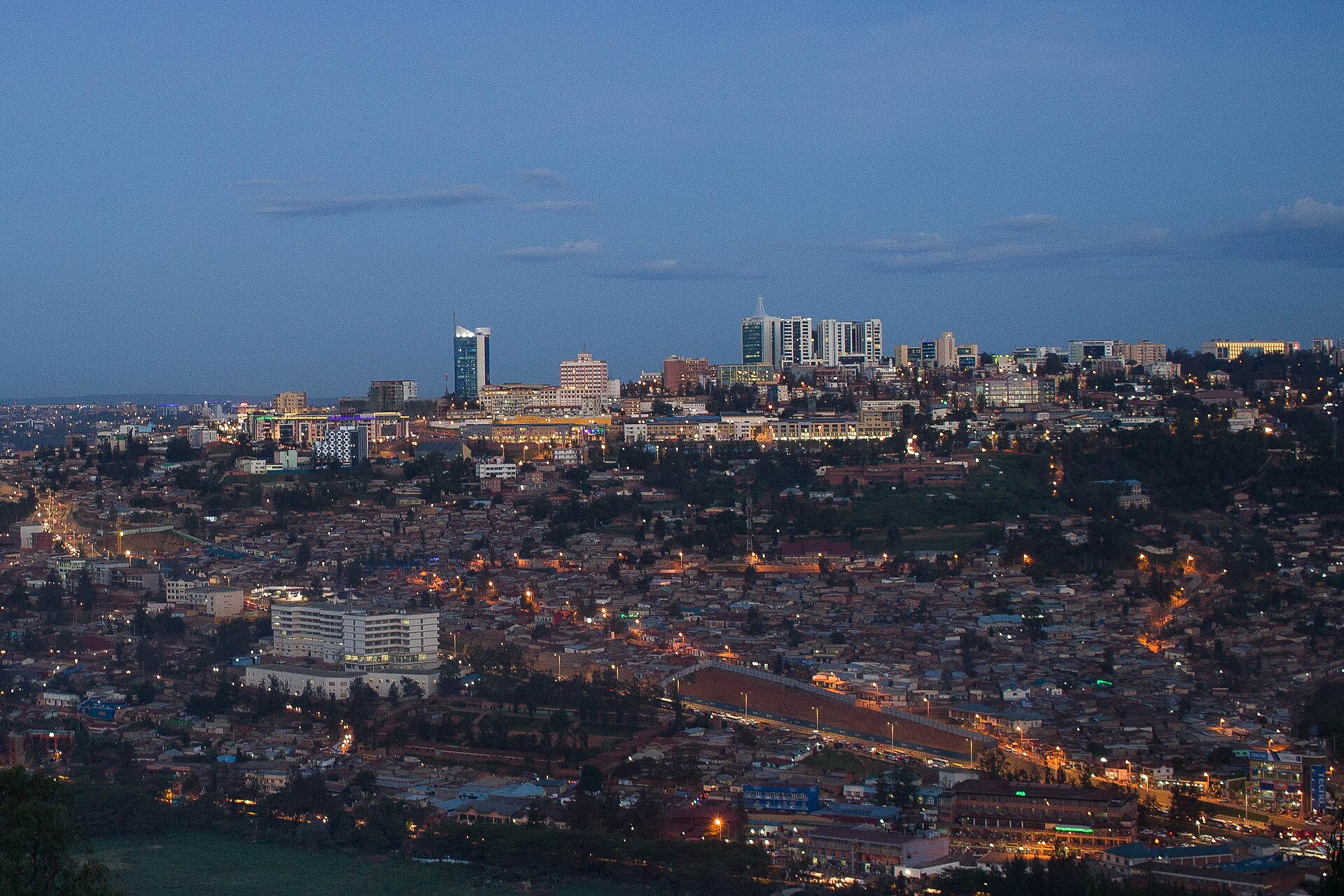
Vaccinations, fitness expectations, and a full gorilla-trekking packing list.
VIEW DETAILS ↗
Currency, cash tips to bring, and a clear guide to tipping on the ground.
VIEW DETAILS ↗